
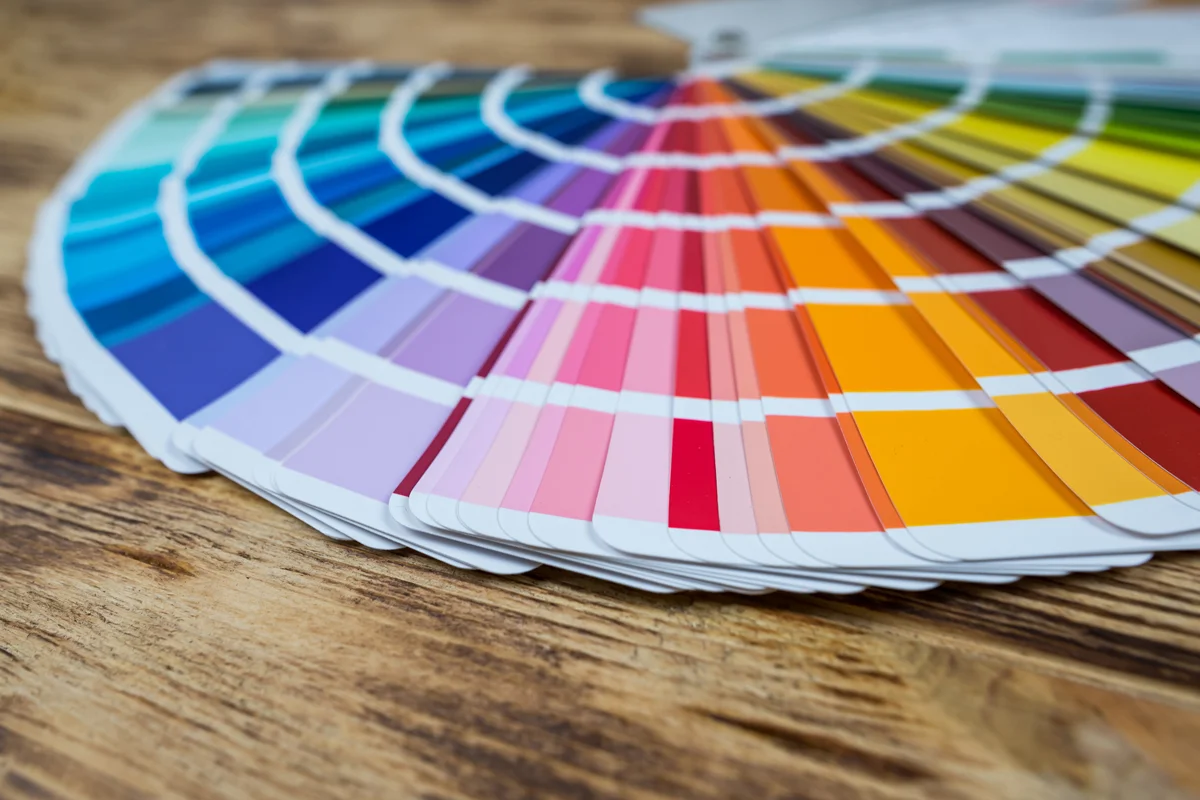
Red! No, Blue! No, Green! Color Me Informed on the Emotional Spectrum of Label Design
By Al the Label Guy
You know that moment when you walk into a store for one thing, then somehow leave with a spicy mango beverage in a neon can you’ve never seen before? Yeah, I’ve been there too. That wasn’t an accident.
Color does A LOT of work in packaging. Before customers read a product name, check ingredients, or compare prices, their brains are already making snap judgments based on what they see. A label can feel fresh, fancy, healthy, bold, calming, playful, or trustworthy within seconds. That’s the power of color.
At Gamse, we’ve seen firsthand how the right label colors can help products stand out on crowded shelves, especially when brands pair smart design with the right finishes, materials, and print quality.
Here’s a quick look at the psychology behind some of the most common colors in product packaging.
Red Wants Attention. Immediately.
Red is the loudest person at the party, and honestly, it’s okay with that.
It creates excitement, urgency, passion, and energy. That’s why red shows up constantly in food packaging, beverages, sale labels, and impulse-buy products. It gets noticed fast and tends to wake up the appetite too.
If your label’s goal is “please look at me before you grab the boring competitor next to me,” red usually understands the assignment.
Blue Brings the Trust
Blue comes across as calm and dependable. Like the label equivalent of your favorite childhood security blanket.
Brands use blue when they want customers to feel trust, cleanliness, stability, or confidence. Healthcare products lean on it heavily. So do corporate brands, tech companies, and products tied to safety or reliability.
Darker blues can seem polished and established. Lighter blues are refreshing and clean. Same color family, very different moods.
Green Says “I Recycle” Without Saying It
Green is THE most influential visual cue for health-conscious and sustainability-focused products. Consumers already connect it with nature, freshness, wellness, organic, and eco-friendly messaging.
Of course, shoppers are getting pretty good at spotting packaging that doesn’t walk the talk. If your product promotes sustainability, the label materials and finishes should support that story too.
Black Dresses Up the Shelf
Black packaging signals sophistication, luxury, and premium quality. Pair it with matte finishes, metallic foils, or high-gloss accents and suddenly your product looks like it belongs on the top shelf, even if it’s sitting three rows down next to discount granola bars.
We see this approach a lot with spirits, cosmetics, gourmet foods, and specialty products that want a polished look without looking over-designed.
Purple Likes a Little Drama
Purple has always had a bit of a luxury reputation, but it also brings creativity and personality to the shelf. Beauty, wellness, and specialty brands love it because it feels a little rich, a little mysterious, and just dramatic enough to get noticed.
Orange Brings the Energy
Orange is upbeat, creative, and hard to ignore. It works well for brands that want to be approachable, energetic, or just a little more fun than everybody else on the shelf.
Yellow Refuses to Be Ignored
Yellow grabs attention fast. It appears warm, optimistic, and cheerful, which makes it great for products that want a bright, happy personality. Of course, yellow also tends to shout if it’s overused, so balance matters.
White Keeps Things Clean and Fresh
White brings simplicity, cleanliness, and clarity to packaging. Health, beauty, and wellness brands often use white space to create a fresh, modern look that feels organized instead of cluttered.
Packaging Color Isn’t Just Creative. It’s Technical Too.
Not every color behaves the same in print. Screens display RGB colors, while label printing relies on CMYK. Some shades need spot colors to stay consistent across large production runs, especially when brands have strict color standards.
At Gamse, we also pay close attention to color accuracy and DeltaE tolerances because tiny shifts in color can suddenly make packaging look “off” from batch to batch.
Finishes matter too. Gloss coatings make colors pop. Matte finishes create a softer, premium vibe. Metallics add depth and shine that catches light from halfway down the aisle. Those details may seem small during production, but they can completely change how shoppers experience a product in the real world.
The Best Label Colors Should Be Intentional
Good packaging doesn’t happen because someone picked their favorite color during a meeting.
The strongest labels connect color choices to the personality of the product, the expectations of the audience, and the experience the brand wants customers to have.
When all those pieces of the product puzzle fit, customers notice. More importantly, they buy it. And on a shelf of competing products shouting for attention, that’s a pretty big deal. And we’re here to help.
From matching colors accurately to choosing finishes that make products stand out on crowded shelves, our team helps brands think through the details that customers notice, even if they don’t realize they’re noticing them. Let’s talk labels. Get started with Gamse today!