
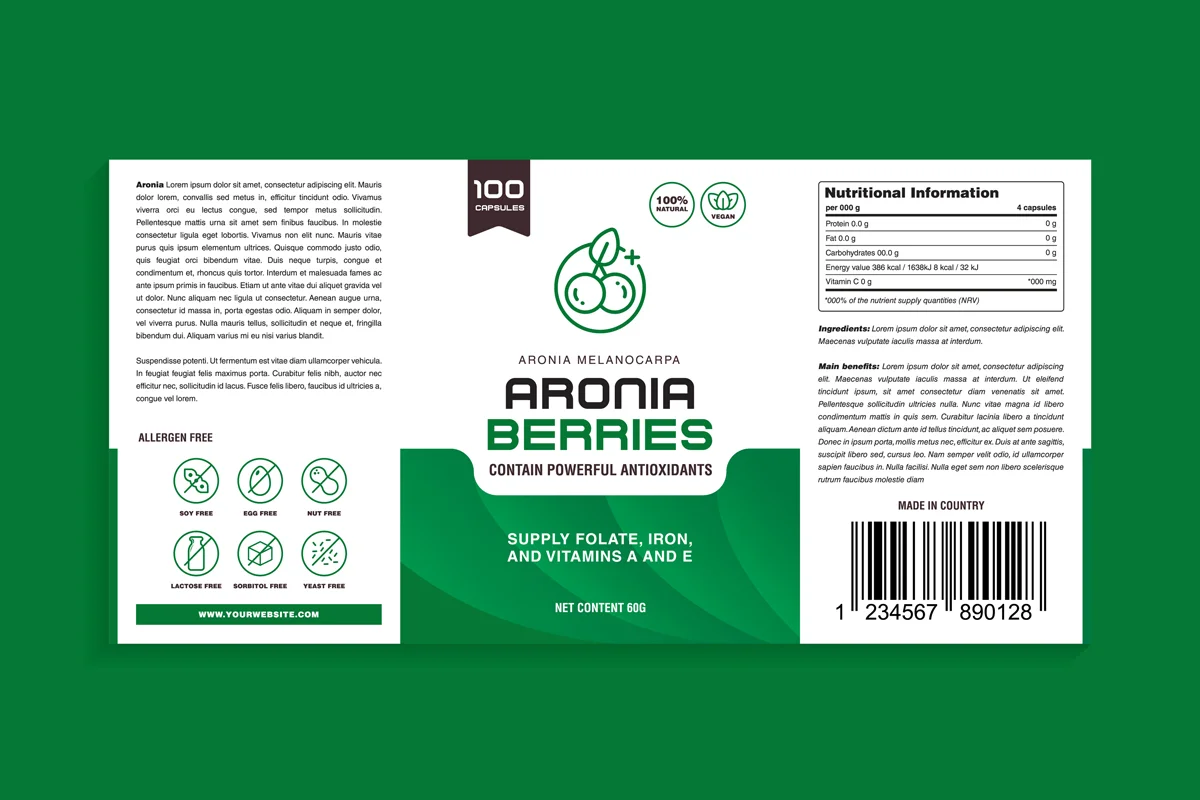
2026 Label Changes Are Calling. Is Your Brand Answering on the First Ring?
By Al the Label Guy
If you think getting your labels ready for 2026 is “plenty of time away,” you might be a little (lot) wrong.
Across food, beverage, consumer goods, and regulated products, new labeling requirements are already taking shape. From date language updates to expanded disclosures and sustainability scrutiny, brands that wait until the last minute risk rushed redesigns, compliance headaches, and expensive reprints.
Here’s a crash course on what brand owners should be looking at now for label changes before the clock runs out.
No Guessing on Recycling Symbols & Sustainability Claims
In a word, or five, Say. What. You. Can. Prove. Sustainability messaging continues to evolve, and regulators are paying CLOSE attention. Recycling symbols, compostability icons, and environmental claims must be accurate, substantiated, and clearly communicated in 2026.
In addition, specific regulations like California’s new date labeling rule (AB 660), which will standardize language by July 1, 2026, require food products to use:
- “BEST if Used By” for quality
- “Use By” for safety
- Elimination of “Sell By” language
These seemingly small wording changes can impact thousands of SKUs across your brand’s portfolio.
Right now, you should be reviewing for inconsistent date language, vague sustainability claims, and outdated recycling symbols.
Make Room for More Disclosure
Regulators are tightening ingredient transparency and origin claims as well. Updated “Product of USA” standards taking effect January 1, 2026, will require brands to more clearly substantiate domestic sourcing claims.
At the same time, certain states are implementing mandatory PFAS disclosures beginning July 1, 2026, and California Prop 65 warnings must meet stricter visibility and font requirements.
These aren’t minor footnotes. They directly impact label layout, content hierarchy, and the amount of usable space you have for branding. As disclosures grow, available real estate shrinks, making thoughtful design and early planning more important than ever.
So, here are some important questions to ask yourself:
- Do I have space built into my current design for additional warning language?
- Can my artwork accommodate larger font requirements?
- Are my claims fully substantiated and documented?
Adding new compliance language after finalizing the packaging structure can force you into smaller branding elements or costly structural changes. A proactive audit now gives you some breathing room.
Build Digital Barcode & QR Code Integration into Your Labels
Traceability and transparency are moving from “nice-to-have” to “you-gotta-have.
With increased focus on food traceability under FSMA and broader digital engagement trends, brands are integrating enhanced barcodes, and QR codes linking to ingredient sourcing, sustainability data, or regulatory details.
BUT QR codes aren’t just a graphic element. They require proper quiet zones, contrast validation, and testing across materials and finishes.
If you’re redesigning anyway for 2026 compliance, it’s the perfect time to integrate some clean digital touchpoints now rather than squeezing them into an already crowded layout later.
Don’t Forget the Substrate & Adhesive
Regulatory updates typically mean material changes. More recycling claims? You may shift to more recyclable label materials. Expanded ingredient disclosures? You may need larger labels or extended-content formats.
Adhesive selection becomes critical when labels have to withstand moisture or cold chain environments, remain compliant during shipping and storage, and come off cleanly for recycling streams.
Remember, your label isn’t just artwork, it’s an entire performance system. Get the material and adhesive combo just right, and your compliance changes won’t interfere with how your label performs or looks on shelf.
Audit Now Avoid Reprints Later
Waiting too long to review your labels could mean scrapped inventory, rushed plate changes, and expedited production fees, which all add up to retail disruption and money down the drain. Being proactive beats reactive every time! With a structured label audit, you can:
- Update multiple SKUs at once
- Align changes with scheduled reprints
- Improve artwork efficiency
- Reduce long-term compliance risk
Printing labels for more than 125 years means we’ve been through quite a few regulatory changes. So, if you need help meeting new 2026 requirements, let’s talk labels. Get started with Gamse today!